

The evolution of web browsers has been a fascinating journey that has transformed how we interact with technology. In this mega-guide, we will explore current browser trends, increasing market competition, and how Mokev, as a premium software factory, adapts to this evolution to ensure that our clients' projects remain competitive and scalable.
Introduction
Web browsers are an essential tool in the daily lives of millions. With the rise of digitalization and the increasing demand for fluid and fast user experiences, it is fundamental to understand the trends shaping the future of these programs. From emerging competition to new alternatives, this article dives into the impact of these trends on web development and SEO optimization.
1. Growing Competition in the Browser Market

1.1. Key Market Players
Historically, Google Chrome has dominated the browser market, but in recent years, we have seen an increase in the popularity of alternatives like Mozilla Firefox, Microsoft Edge, and Apple’s Safari. Furthermore, emerging browsers like Brave and Vivaldi are capturing the attention of users seeking specific features, such as enhanced privacy and customization.
Growing competition not only pushes browsers to innovate but also provides users with a variety of options to choose from based on their needs. For example, Brave focuses on privacy by blocking ads and trackers, while Vivaldi offers a highly customizable experience. This diversity allows users to select browsers that align with their values and preferences.
1.2. Changes in User Preferences
Today’s consumers value speed, efficiency, and, above all, privacy. According to a Gartner study, 75% of internet users are concerned about their online privacy. This concern has led to an increase in the use of browsers that prioritize security and data control. Therefore, software developers must consider these trends when designing and optimizing their projects.
2. New Alternatives and Browser Trends

2.1. Technological Innovations
Modern browsers are adopting new technologies that improve the user experience. Features such as tabbed browsing, multi-device synchronization, and artificial intelligence integration are on the rise. For example, Microsoft Edge has introduced productivity tools that allow users to complete tasks more quickly. The implementation of artificial intelligence is also beginning to influence the personalization of browsing experiences.
2.2. Chromium-Based Browsers
Most popular browsers, including Edge and Brave, are based on the open-source Chromium project. This trend has led to a homogenization of features and functions, which can be positive for compatibility but also poses challenges regarding differentiation. However, this also means that developers must be aware of updates and changes in Chromium that could affect their software.
3. Impact on Web Development and SEO

3.1. The Importance of Browser Optimization
Web development cannot ignore emerging browser trends. Cross-browser optimization is crucial, as each browser may interpret HTML, CSS, and JavaScript code differently. Developers must ensure that their websites are compatible with the latest versions of each browser to guarantee a uniform user experience. This is one of the reasons why, at Mokev, we strive to offer development services that align with industry best practices.
3.2. SEO and User Experience
User experience (UX) is a critical factor in modern SEO. Google has begun to prioritize UX in its ranking algorithms, meaning developers must focus on creating sites that are not only visually appealing but also fast and functional across all browsers. This includes optimizing load times and adapting to different screen sizes. For more on how to improve your SEO, check out our guide on the Checklist for Scaling Your Digital Business.
3.3. Developer Tools and Resources
Several tools can help developers optimize their sites for different browsers. For example, BrowserStack allows users to test their websites across multiple browsers and devices. Additionally, Google Lighthouse is a useful tool for auditing a website's performance and accessibility. These tools are essential to ensure that projects are not only aesthetically pleasing but also functional and accessible for all users.
4. How Mokev Adapts to Browser Evolution
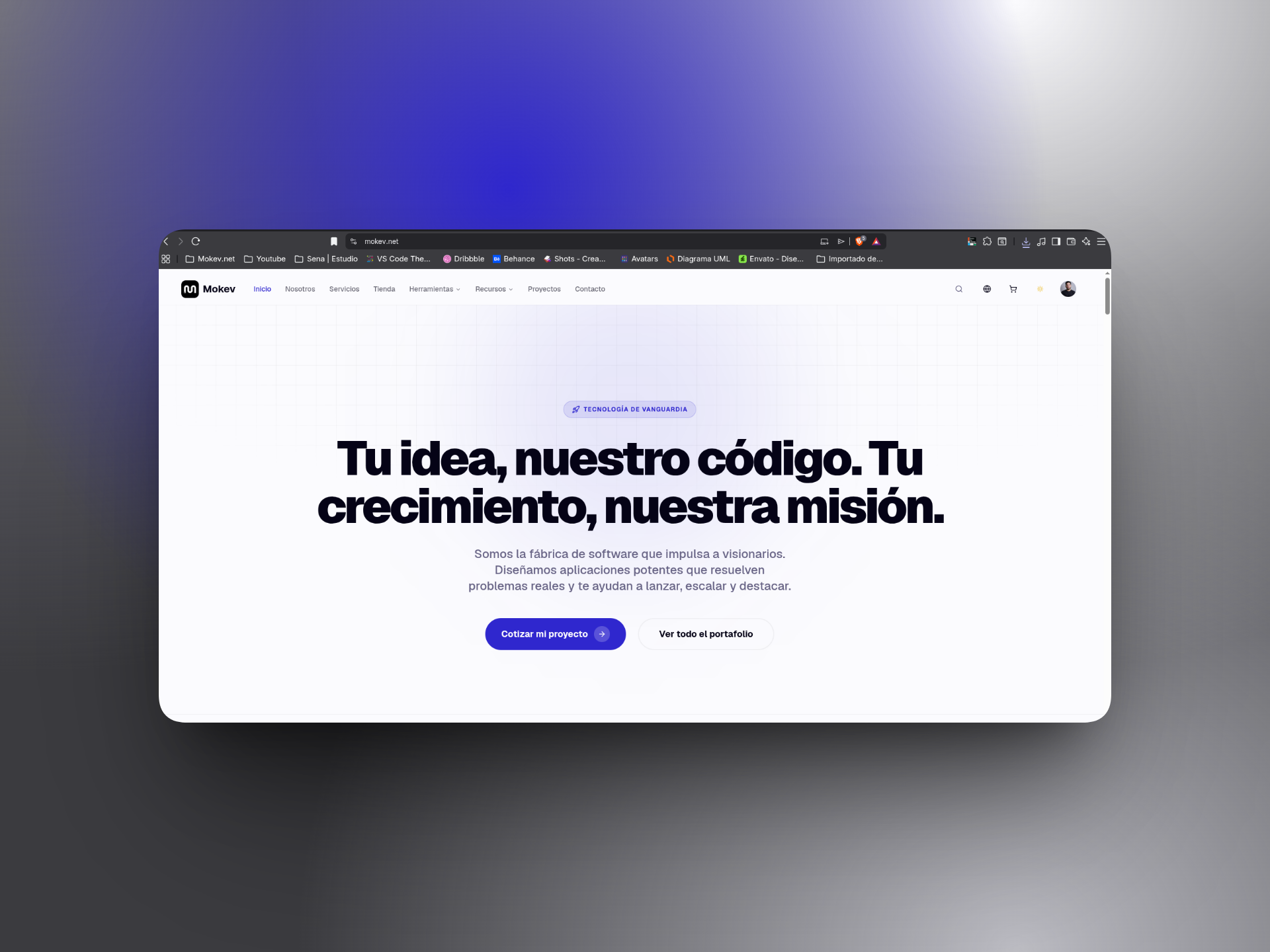
4.1. Continuous Innovation
At Mokev, we understand that the digital environment is in constant flux. Therefore, we are committed to keeping up with the latest trends and browser technologies. Our solutions adapt to changing market needs, ensuring our clients stay one step ahead of the competition. This includes implementing agile development practices and leveraging emerging technologies.
4.2. Scalable Development
Scalability is key in software development. As the browser market evolves, it is essential that projects are designed to adapt to future changes and updates. At Mokev, we prioritize building applications and websites that are not only functional today but also prepared for the future. For more information on our scalability strategies, visit our article on Scalability Strategies: Lessons Learned.
4.3. Focus on Customer Experience
User experience is our priority. We work closely with our clients to understand their needs and offer customized solutions that align with their business goals. This not only improves customer satisfaction but also drives overall business performance.
5. The Future of Web Browsers
5.1. Future Trends
The future of web browsers promises to be exciting. With the continuous advancement of technology, we are likely to see greater integration of artificial intelligence, augmented reality, and personalization. These innovations will not only change how we navigate the internet but will also influence software development and SEO strategies.
5.2. Preparing for Change
Preparing for the future involves staying aware of trends and adapting quickly to change. At Mokev, we foster a culture of constant learning and adaptation, allowing us to offer development services that are relevant and effective. The key is to keep innovating and not be afraid to experiment with new ideas and technologies.
Conclusion
Navigating the new era of web browsers is a challenge, but also an opportunity. By understanding current and future trends and adapting our strategies, we can ensure our projects are competitive and scalable. At Mokev, we are committed to helping our clients thrive in this ever-evolving environment. To learn more about how we can help you, visit our premium software factory.
In summary, staying informed about browser trends is essential for effective development and SEO optimization. Growing competition and new alternatives are redefining the digital landscape, and those who adapt quickly will be better positioned for success.
More articles

Navigating the Chip War: The Impact on Your Business
Find out how the chip shortage is affecting your business and how to adapt to changes in software and hardware development.


Turn Your Tablet into a Workstation
Turn your tablet into a powerful workstation. Discover how to maximize its potential and promote technological sustainability.