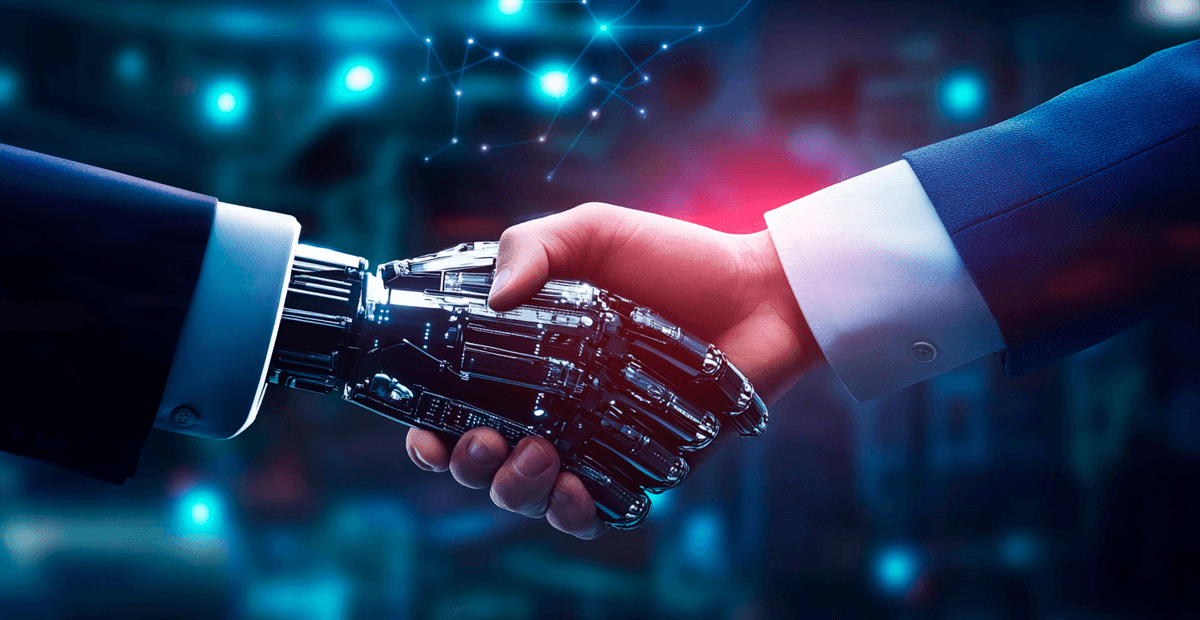

The Future of Work: Integration of AI and Humanity
Artificial intelligence (AI) is rapidly transforming the labor landscape. From automating repetitive tasks to analyzing large volumes of data, AI is not only changing what we do, but also how we do it. In this article, we will explore how AI can complement human skills in the workplace and which competencies will be most valued in this new framework of work.
AI and its Impact on the Work Environment
The implementation of AI in the workplace has generated intense debate about job elimination. However, what many fail to consider is that AI also has the potential to create new job opportunities. According to a report by McKinsey, it is estimated that AI could create up to 97 million new jobs worldwide by 2025.
How Does AI Complement Human Skills?
AI is designed to perform tasks that require large-scale data processing and analysis. This allows human workers to focus on competencies that are exclusively human, such as:
- Creativity: The ability to innovate and generate original ideas.
- Empathy: The ability to understand and manage the emotions of others.
- Critical Thinking: The ability to analyze information and make informed decisions.
The combination of these human skills with the efficiency of AI can lead to a more productive and creative workforce.

Skills That Will Be Most Valuable in the Future
As AI integrates into more aspects of work, certain skills will become essential. Here are some competencies that workers will need to develop:
1. Adaptability
The ability to adapt to new technologies and work environments will be crucial. AI is constantly evolving, and employees who can learn and adapt quickly will be in a better position.
2. Human-Machine Collaboration
With the growing presence of AI, collaboration between humans and machines will become a standard. Workers will need to learn to interact with AI systems, understanding how to leverage their capabilities to improve their own work.
3. Digital Competencies
Digital literacy will become a fundamental skill. Understanding how digital tools and AI work will allow employees to use these technologies effectively.
4. Emotional Intelligence
As machines take on more technical tasks, emotional intelligence will become even more important. Employees who can manage interpersonal relationships and understand the emotions of others will have a competitive advantage.
Preparing for the Future
Companies must start preparing their workforce for the future. This implies:
- Investments in Training: Providing continuous training in digital and AI skills.
- Fostering an Environment of Innovation: Creating a culture that values creativity and experimentation.
- Adopting Technology Strategically: Implementing AI in a way that complements human skills, rather than replacing them.
Successful Integration Examples
Some companies are already leading the way in integrating AI in the workplace:
- Salesforce: Uses AI to improve customer service, allowing representatives to focus more on human interactions instead of repetitive tasks.
- IBM: With its Watson platform, it helps employees make more informed decisions by analyzing large volumes of data.
Conclusion
The future of work is not about replacing humans with machines, but about integrating artificial intelligence in a way that complements our skills. Organizations and workers who adopt this mindset will be better equipped to thrive in a constantly changing work environment. It is essential that both companies and employees prepare for this new labor framework, where AI will be an ally rather than an adversary.
To dive deeper into topics related to artificial intelligence and its impact on the future of work, visit Mokev.net or explore our projects.
Additional Resources
The integration of AI at work is just the beginning of a new era. Stay informed and prepared to be part of this exciting future.
More articles

AI: Your Partner in Strategic Decision-Making
Discover how AI can transform strategic decision-making in your company.


Vibe-Coding: The Future of Software Development?
Discover how vibe-coding is transforming software development and enhancing developers' creativity and efficiency.